


Você realmente entende o princípio da medição do nível de líquidos usando transmissores de pressão?
2026-03-16 14:33Você realmente entende o princípio da medição do nível de líquidos usando transmissores de pressão?
I. Princípios Básicos
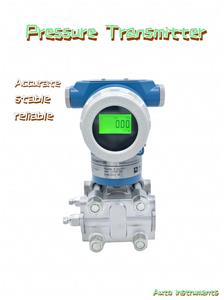
Transmissores DP Os transmissores de nível de líquidos são uma tecnologia de medição de nível de líquidos comumente usada e de fácil compreensão. Além de serem simples e fáceis de usar e instalar, podem ser utilizados em diferentes cenários de aplicação e diversas condições de trabalho. Se o nível do líquido precisar ser medido em um recipiente aberto ou ventilado, deve-se usar um transmissor de pressão (GP) ou de pressão diferencial (DP). Se for um tanque de armazenamento ou tanque pressurizado, um transmissor de pressão diferencial deve ser usado para compensar a pressão do recipiente. Além da medição básica de nível de líquidos, Transmissor DP Também pode ser configurado para medição de densidade e medição da posição da interface.
Medição do nível de líquido em recipientes abertos
Em um recipiente aberto, o nível do líquido é calculado medindo-se a pressão estática. Devido ao seu próprio peso, a coluna de líquido exerce uma força na base. Essa força, conhecida como pressão estática ou altura da coluna de líquido, pode ser medida em unidades de pressão. A pressão estática do líquido é calculada pela seguinte fórmula: Pressão estática do líquido = Altura da coluna de líquido x Densidade relativa. Se o nível (altura) do líquido mudar, a pressão estática também mudará proporcionalmente. Portanto, um método simples para medir o nível do líquido é instalar um manômetro no ponto mais baixo do recipiente. Reorganizando a fórmula acima, a altura pode ser calculada e, a partir da pressão estática, o nível do líquido acima do ponto de medição pode ser determinado. Se a pressão não estiver em unidades de altura da coluna de líquido, será necessária uma conversão.
Medição do nível de líquido em tanques de armazenamento
Se for um vaso de pressão, um transmissor GP não é adequado. Quando um transmissor GP detecta uma mudança de pressão, ele não consegue distinguir se a causa é uma alteração no nível do líquido ou uma mudança na pressão do recipiente. Para solucionar esse problema, a medição de pressão diferencial deve ser utilizada em aplicações com recipientes fechados para compensar a pressão interna. Ao utilizar a medição de pressão diferencial, como a variação da pressão total do recipiente afeta tanto as válvulas de tomada de pressão superior quanto inferior, o efeito da pressão é anulado.

A tomada de pressão próxima ao fundo do recipiente mede a soma da pressão hidrostática do líquido e da pressão no espaço de vapor. A tomada de baixa pressão, conectada próxima ao topo do recipiente, mede apenas a pressão no espaço de vapor. O nível do líquido é determinado pela diferença de pressão (pressão diferencial) entre as duas tomadas. A medição da pressão diferencial pode ser realizada utilizando um transmissor de pressão diferencial com linhas de impulso ou capilares e selos, ou utilizando duas pressões manométricas ou duas pressões absolutas.Transmissores da série AT3051 Para calcular a pressão diferencial em uma configuração de sensor remoto eletrônico: Nível do líquido = Pressão diferencial / Densidade relativa
II. Vantagens
De um modo geral, os transmissores de pressão são econômicos, fáceis de usar e simples de entender. Além disso,Esses transmissoresPodem ser utilizadas na maioria dos tanques de armazenamento e líquidos, incluindo aplicações com lamas. Possuem uma ampla gama de pressões e temperaturas aplicáveis e são adequadas para aplicações com espuma e turbulência.
III. Limitações
A precisão da medição do nível do líquido por Transmissores de pressão da série AT3051 A sensibilidade do sensor é afetada por mudanças na densidade do fluido. Deve-se ter cuidado especial ao utilizá-lo em líquidos viscosos, corrosivos ou sujos. Além disso, à medida que a concentração aumenta, alguns líquidos (como matérias-primas para fabricação de papel) solidificam-se gradualmente. Os transmissores de pressão não conseguem medir com precisão esse estado solidificado.